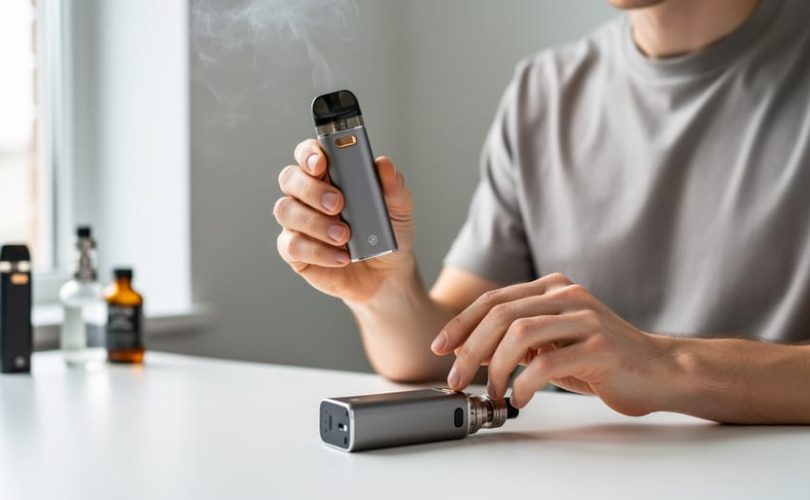
Choosing the right vape device means matching the technology to your personal preferences, experience level, and lifestyle. The decision hinges on four core factors: nicotine delivery style (freebase versus nicotine salts), vapor production goals, maintenance commitment, and budget. Get these wrong, and you’ll likely end up with a drawer full of unused devices. Get them right, and vaping becomes an enjoyable, hassle-free experience tailored exactly to your needs.
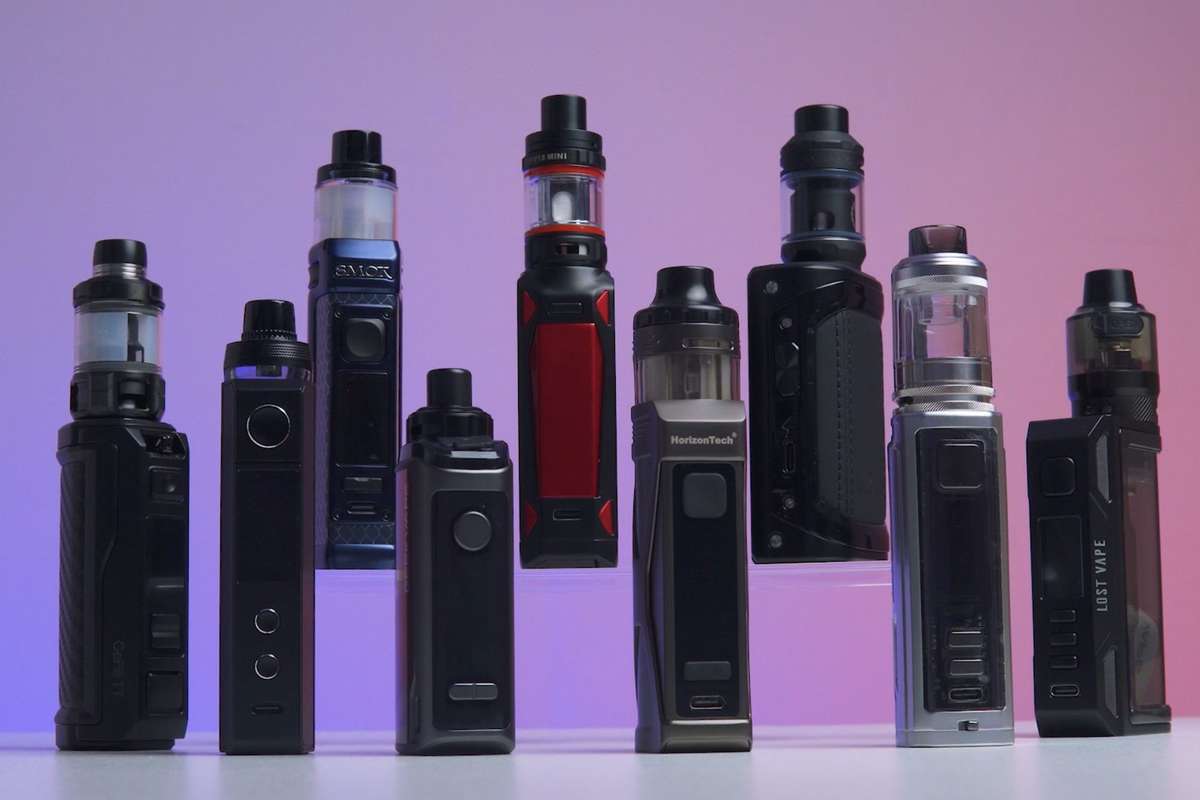
The vaping market in 2026 offers more variety than ever, which sounds great until you’re staring at hundreds of devices wondering which one actually suits you. Pod systems, box mods, disposables, pen-style vapes, and all-in-one devices each serve different purposes. A compact pod system perfect for a busy professional won’t satisfy someone chasing massive cloud production, while a high-powered mod is overkill for someone transitioning from cigarettes who just wants simple nicotine delivery.
What makes the choice harder is that marketing rarely tells you the truth about who each device is really for. Beginners often buy advanced mods because they look impressive, then struggle with complex settings. Experienced vapers sometimes assume pod systems lack power, missing out on convenient options that now rival larger devices in performance.
This is where personalized consultation changes everything. Instead of guessing based on flashy product descriptions or influencer hype, you get expert guidance matched to your actual needs. Our community has helped thousands navigate these choices, cutting through the noise to find devices people actually use and love, not just buy and regret.
Understanding Your Vaping Goals and Preferences
Before you start comparing devices or browsing online stores, you need to understand what you actually want from vaping. The market offers hundreds of options because vapers have genuinely different priorities, what works perfectly for someone quitting cigarettes might frustrate a flavor enthusiast, and vice versa. Identifying your specific goals upfront saves you from expensive trial-and-error purchases.
Why Are You Vaping?
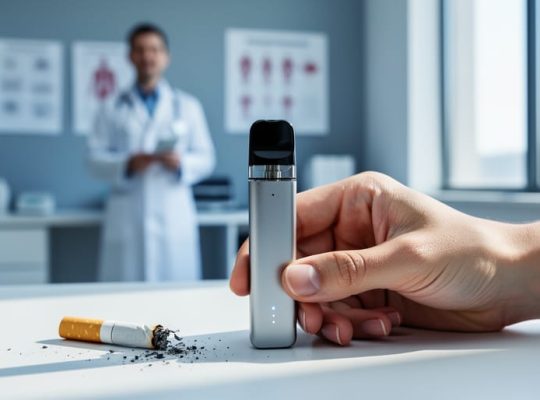
Your primary motivation shapes everything else. If you’re transitioning from smoking, you’ll likely prioritize a familiar hand-to-mouth action, satisfying nicotine delivery, and minimal fuss. A throat hit that mimics cigarettes matters more than massive vapor clouds. Former smokers often do best with higher-nicotine pod systems that replicate the smoking ritual without overwhelming them with settings and maintenance.
Flavor chasers have different needs entirely. They want devices that deliver clean, nuanced taste rather than just nicotine satisfaction. This typically means more vapor production, adjustable airflow, and compatibility with e-liquids designed for flavor rather than just nicotine hit. Cloud enthusiasts prioritize high-wattage devices with low-resistance coils and high-VG liquids, accepting the trade-off of bulkier equipment and more frequent refilling.
Nicotine Strength and Delivery
Heavy smokers switching to vaping need substantially more nicotine than casual users experimenting with flavors. A pack-a-day smoker might require 20mg nicotine salt e-liquid in a pod system, while someone who smoked five cigarettes daily could feel over-nicotined at that level. Getting this wrong leads to either continued cigarette cravings or an unpleasant, jittery experience. Consultation helps match your smoking history to appropriate nicotine formulations and device types.
Portability and Lifestyle Fit
Consider where you’ll actually use your device. Commuters and travelers need pocketable, leak-resistant options that work quickly for short breaks. A bulky box mod makes no sense if you’re vaping during ten-minute work breaks. Conversely, if you’re mostly vaping at home in longer sessions, a slightly larger device with better battery life and tank capacity beats constantly recharging a tiny pod system.
Maintenance Reality Check
Be honest about how much tinkering you’ll tolerate. Some devices require weekly coil changes, regular cleaning, and battery management. Others are nearly maintenance-free until you toss them. There’s no shame in choosing simplicity, a device you’ll actually use beats a powerful setup that sits in a drawer because changing coils feels like homework.
Budget matters, but think beyond the initial purchase. That cheap disposable costs less upfront but becomes expensive when you’re buying three per week. A quality rechargeable system costs more initially but dramatically lowers your per-day vaping expense.
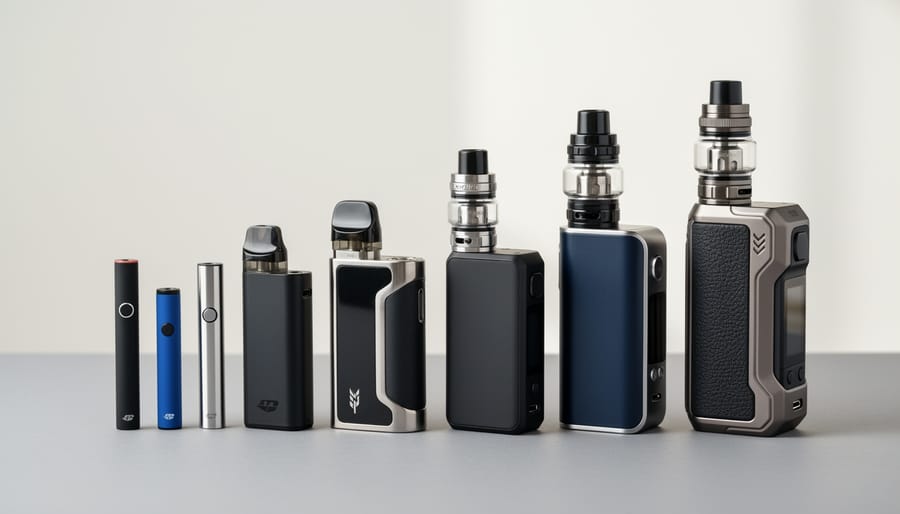
Types of Vaping Devices Compared
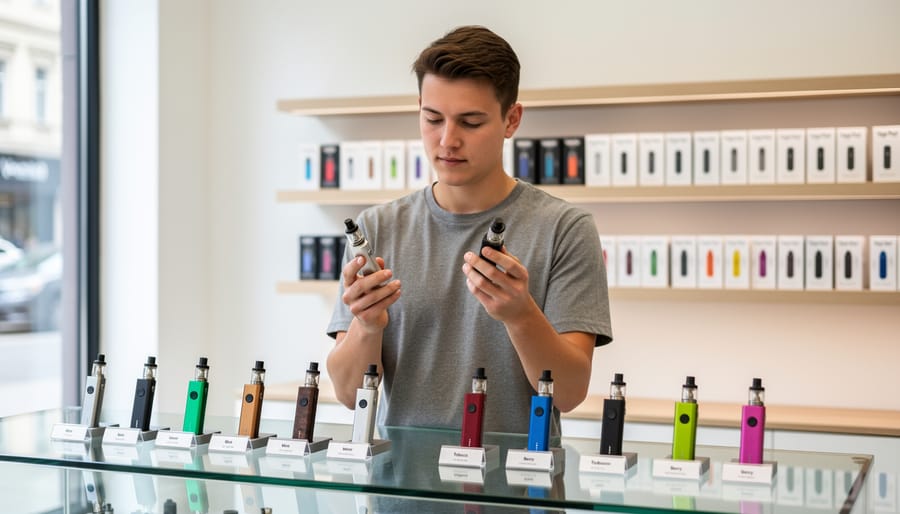
Disposable Vapes
Disposable vapes represent the simplest entry point among all types of vaping devices. These pre-filled, pre-charged units require zero setup or maintenance, you simply remove them from the package and start vaping until the e-liquid or battery runs out, then discard the entire device.
The appeal is obvious: no buttons to configure, no tanks to refill, no coils to replace. For complete beginners testing whether vaping suits them, or travelers who don’t want to pack bottles and chargers, disposables eliminate the learning curve entirely. They’re also genuinely pocket-friendly in size, though not necessarily in cost.
Here’s the trade-off. While a single disposable might cost $8-15, that same amount in a refillable pod system covers several days of vaping once you own the device. Heavy users can spend $200-400 monthly on disposables versus $40-60 on e-liquid for refillable options. You’re also locked into whatever flavor and nicotine strength the manufacturer chose.
Disposables shine for occasional social vaping, as backups during travel, or for that crucial first week when you’re transitioning from smoking and can’t handle any friction in the process. But if you find yourself buying them weekly, consultation can identify a more economical long-term solution that still keeps things simple.
Pod Systems and Pod Mods
Pod systems have become the most popular vaping category in 2026 because they strike an ideal balance between simplicity and performance. They’re compact, easy to operate, and deliver excellent flavor, which explains why you’ll find them in the hands of both first-time vapers and seasoned enthusiasts.
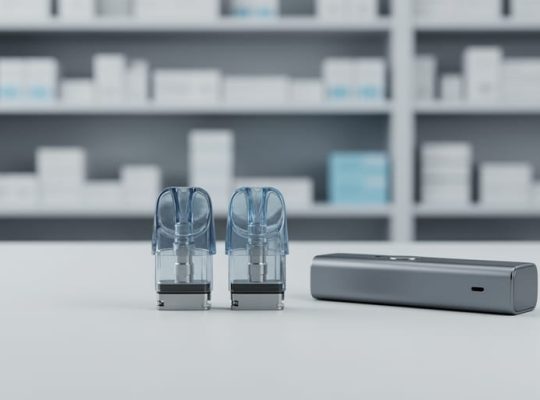
The main distinction lies between closed-pod and open-pod systems. Closed pods use pre-filled cartridges that you simply click in and replace when empty. There’s zero mess, no measuring, and you’re guaranteed consistent performance every time. The downside? You’re limited to the manufacturer’s flavor selection, and the per-puff cost runs higher than refillable options.
Open-pod systems let you fill the pods yourself from any e-liquid bottle. This freedom means access to thousands of flavors and significant cost savings, a 30ml bottle might last as long as ten pre-filled pods. The trade-off is a bit of maintenance: you’ll refill pods weekly and replace them every two to four weeks when the coil degrades.
Both types excel at delivering intense flavor thanks to their compact coil chambers and optimized airflow. They work beautifully with nicotine salts, which provide smooth throat hit and quick satisfaction at higher strengths, perfect for former smokers. Most pod devices operate automatically when you inhale, though some include button-activation and adjustable airflow for users who want more control.
The learning curve is minimal. Fill or insert, maybe adjust one setting, then vape.
Vape Pens
Vape pens occupy the sweet spot between disposables and advanced mods, offering more control than pods without the intimidation factor of box mods. These cylindrical devices typically feature a built-in battery (ranging from 1000mAh to 3000mAh), a refillable tank, and a single firing button. You’ll get a full day of moderate use from most models, and the larger tank capacity, usually 2ml to 4ml, means fewer refills than pod systems.
What makes vape pens particularly appealing is their natural fit for mouth-to-lung vaping. The airflow design mimics the draw resistance of a cigarette, which former smokers often prefer. You can adjust power settings on many models, but the range stays conservative enough that you won’t accidentally burn your coil or waste e-liquid.
The trade-off? Vape pens require more maintenance than pods. You’ll need to replace coils every one to three weeks, clean the tank periodically, and charge the battery separately. But if you want something pocketable that doesn’t feel like a toy and doesn’t demand weekend YouTube tutorials to operate, a vape pen delivers. They’re especially suited for users ready to move beyond disposables but not interested in chasing clouds or tweaking wattage curves.
Box Mods and Advanced Devices
Box mods represent the high-performance end of vaping technology, offering extensive customization that appeals to experienced users who want complete control over their vaping experience. These devices typically feature variable wattage settings that let you dial in power from around 5 watts to 200+ watts, temperature control modes that prevent dry hits and optimize flavor, and detailed displays showing resistance, voltage, battery life, and puff count.
The learning curve is real. You’ll need to understand Ohm’s law basics, coil resistance, battery safety, and how wattage adjustments affect vapor production and flavor. Most box mods use replaceable 18650 batteries, which means you’re responsible for safe charging, proper battery marriages (using matched pairs), and avoiding dangerous situations like battery venting. This isn’t plug-and-play territory.
Who benefits most? Cloud chasers chasing massive vapor production find the high wattage essential. Flavor enthusiasts appreciate temperature control’s ability to prevent burnt wicks while extracting nuanced notes from complex e-liquids. Tinkerers who enjoy building their own coils, experimenting with different atomizers, and fine-tuning their setup thrive with these devices.
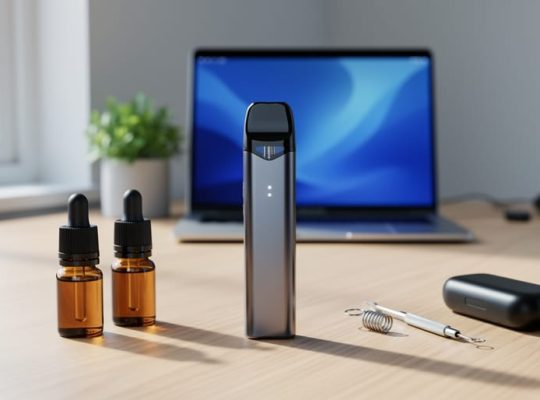
The investment goes beyond the initial purchase. You’ll need spare batteries, an external charger, compatible tanks or rebuildable atomizers, and likely a collection of coils or building supplies. Expect to spend time learning, troubleshooting, and maintaining your setup. For users who want this level of involvement, box mods deliver unmatched performance and satisfaction. For those seeking simplicity, they’re overkill.
Squonk Mods and Specialty Devices
For enthusiasts who’ve mastered conventional devices and crave something different, squonk mods offer a unique bottom-feeding system. These devices feature an internal squeeze bottle that pushes e-liquid up through a hollow 510 pin directly into your rebuildable dripper atomizer, eliminating constant manual dripping while maintaining the flavor intensity RDAs are known for. You get the superior taste of a dripper with the convenience of a tank system.
Beyond squonking, specialty devices include mechanical tube mods favored by purists who appreciate unregulated power delivery, ultra-compact stealth mods for maximum discretion, and limited-edition artisan pieces that double as collector’s items. These niche options typically require solid understanding of battery safety, Ohm’s law, and coil building, they’re not beginner territory.
Specialty devices serve specific preferences rather than general needs. If you’re curious about these options, consultation helps determine whether your skill level matches the device requirements and whether the benefits justify the higher cost and maintenance commitment.
Matching E-Liquid to Your Device

Your device and e-liquid need to work together to deliver the experience you’re after. Get this pairing wrong and you’ll end up with burnt coils, harsh hits, or flavor that falls completely flat, no matter how good your hardware is.
The PG/VG ratio forms the foundation of this match. Propylene Glycol (PG) carries flavor more effectively and produces a stronger throat hit, while Vegetable Glycerin (VG) creates thicker vapor clouds and smoother inhales. Research shows PG/VG affects nicotine delivery which is why pairing the right ratio with your device matters so much. High-powered devices like box mods handle high-VG liquids (70% VG or higher) beautifully because their large coils and airflow can vaporize thicker liquid efficiently. Pod systems and vape pens, on the other hand, need thinner liquids with more PG (50/50 or 60/40 ratios) to prevent coil clogging and ensure proper wicking.
Nicotine type creates another crucial decision point. Freebase nicotine delivers a pronounced throat hit and works best in lower-powered devices like vape pens when you’re using moderate strengths (3-12mg). Nicotine salts offer smoother delivery at higher concentrations, making them ideal for pod systems where you need 20-50mg strengths to quit with vapes effectively. Using salts in a high-powered mod creates an overwhelmingly harsh experience, while freebase at pod-system concentrations won’t satisfy your cravings.
Your nicotine strength should match both your device’s power output and your smoking history. Former pack-a-day smokers typically need 20-35mg salts in pods or 12-18mg freebase in pens, while casual users might find 3-6mg freebase or 10-20mg salts sufficient. During consultation, experts assess your previous nicotine intake, preferred inhale style, and device choice to calculate the strength that satisfies without overwhelming, preventing the trial-and-error approach that wastes money and risks giving up before finding what works.
What to Look for When Choosing Your First (or Next) Vape
Your ideal vape depends on where you’re starting from and what you’re trying to achieve. Rather than chasing the latest release or most popular model, focus on matching your device to your actual needs and experience level. Here’s how different user profiles should approach their selection across the available product categories.
Complete beginners benefit most from straightforward devices that don’t require technical knowledge. A quality pod system with pre-filled or easy-fill pods eliminates the learning curve around coil changes, wattage settings, and e-liquid ratios. Look for devices with automatic draw activation (no buttons), long battery life relative to size, and leak-resistant designs. The initial investment might seem higher than a disposable, but refillable pods offer better value within weeks while giving you room to explore different flavors without commitment to a specific device type.
Former smokers transitioning to vaping need devices that replicate the familiar cigarette draw. Prioritize mouth-to-lung pod systems or slim vape pens that create tighter airflow similar to smoking. Nicotine salt compatibility is essential here, it delivers faster satisfaction at lower power levels. Choose devices with simple operation but reliable performance, because frustration with a complicated or inconsistent device often sends people back to cigarettes during the critical first weeks of transition.
Flavor enthusiasts should invest in open-pod systems or sub-ohm tanks that accommodate a wide range of e-liquids. Look for adjustable airflow, compatibility with different coil resistances, and adequate power output to properly vaporize higher-VG liquids that carry richer flavor profiles. Temperature control features help prevent burnt hits that ruin premium e-liquids, making them worth the added complexity for serious flavor chasers.
Cloud enthusiasts require high-wattage box mods paired with sub-ohm tanks or rebuildable atomizers. Dual-battery devices provide the extended power needed for sustained high-output vaping. Prioritize devices with strong battery safety features, robust build quality to handle heat, and wide wattage ranges that let you experiment. Don’t skimp on batteries themselves, cheap cells can’t safely deliver the current these devices demand.
Budget-conscious users should calculate total cost of ownership rather than just upfront price. A mid-range refillable pod system costs more initially than disposables but pays for itself within a month through cheaper e-liquid refills. Look for devices with replaceable (not integrated) batteries, widely available replacement coils, and standard charging ports. Avoid ultra-cheap devices that fail quickly or use proprietary components that lock you into expensive replacements.
- Beginners: Simple pod systems with pre-filled options and automatic draw activation for hassle-free experience
- Former smokers: MTL pod devices with nicotine salt compatibility for familiar throat hit and satisfaction
- Flavor chasers: Adjustable pod systems or sub-ohm tanks with temperature control to maximize e-liquid quality
- Cloud enthusiasts: High-wattage dual-battery mods with sub-ohm capability and robust safety features
- Budget users: Mid-range refillable systems with replaceable batteries and widely available coils for long-term value
The most important factor across all profiles is choosing a reputable device from established manufacturers rather than unknown brands offering suspiciously low prices. Quality control matters significantly in vaping, a reliable device that works consistently beats a feature-packed model that fails after two weeks. When in doubt, consultation helps you identify which features you’ll actually use versus which are just marketing additions that complicate your experience without delivering real benefits.
Common Vaping Choice Mistakes and How to Avoid Them
Even experienced vapers sometimes fall into traps when selecting new gear, and these costly mistakes can lead to frustration, wasted money, or a setup that doesn’t deliver the experience you wanted. Understanding what typically goes wrong helps you sidestep these pitfalls before they impact your vaping journey.
The most common errors include:
- Choosing devices based purely on appearance without considering functionality or how they match your vaping style
- Underestimating maintenance requirements and ending up with a device you don’t have the time or patience to maintain properly
- Buying underpowered devices that can’t deliver satisfying vapor or overpowered mods that overwhelm beginners with unnecessary complexity
- Ignoring battery safety fundamentals, especially with devices that use removable batteries, which can lead to dangerous malfunctions
- Focusing only on upfront cost while overlooking long-term expenses like coil replacements, pod refills, or proprietary components
- Selecting the wrong nicotine strength or e-liquid formulation for your device type, resulting in harsh hits or insufficient satisfaction
The aesthetic trap catches many first-time buyers. A sleek, beautiful device means nothing if it doesn’t suit how you vape. That compact pod system might look great, but if you need all-day battery life or prefer direct-lung hits with thick clouds, it’ll sit unused in a drawer within weeks.
Maintenance miscalculations often surprise people who gravitate toward advanced rebuildable atomizers without realizing the weekly coil-building commitment involved. Similarly, buying the cheapest option available frequently backfires when poor build quality leads to leaks, burned coils, or device failure within months.
Battery safety deserves special attention. If you’re stepping up to a mod with removable 18650 batteries, you need proper charging equipment, battery cases, and knowledge about amp limits and Ohm’s Law basics. Shortcuts here aren’t worth the risk.
The consultation process specifically addresses these mistakes by asking the right questions upfront. Rather than letting you chase trends or base decisions on incomplete information, experts help you see the full picture including what happens three months down the road when novelty wears off and practical realities set in. They’ll steer you toward devices that match not just your current preferences but your actual usage patterns and commitment level.
How Personalized Consultation Simplifies Your Choice
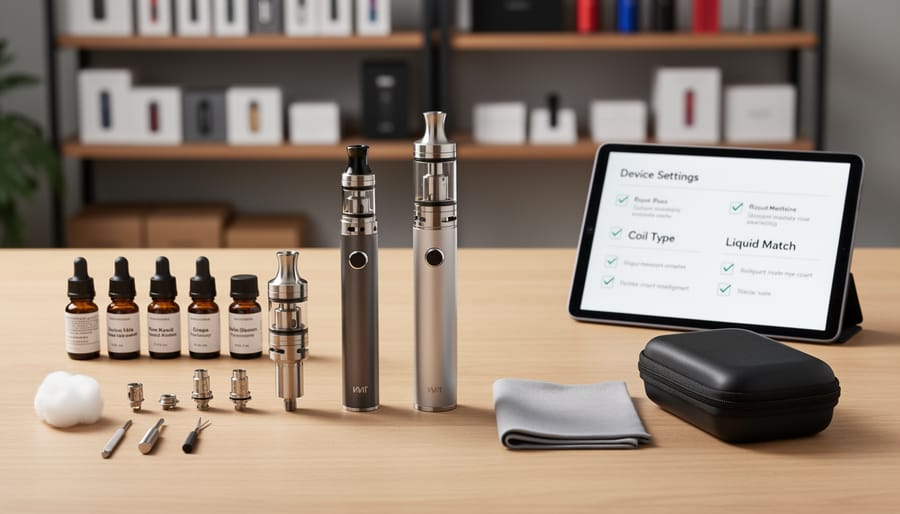
Walking into a vape shop, or browsing online, can feel like stepping into a foreign country where everyone speaks a language you don’t understand. Hundreds of devices, countless flavor options, conflicting advice on forums, and slick marketing promising the “ultimate vaping experience.” That’s where personalized consultation cuts through the noise.
During a proper consultation, an experienced advisor starts by asking about you, not pushing products. They’ll want to know your smoking history if you’re quitting cigarettes, your lifestyle (do you travel constantly or vape primarily at home?), how much time you’re willing to spend on maintenance, and what’s truly important to you, discretion, flavor intensity, throat hit, or something else entirely. They’ll ask about past vaping experiences if you’ve tried devices before, including what you liked and what frustrated you.
This conversation reveals patterns that guide recommendations. Someone who hated constantly refilling a pod system might thrive with a higher-capacity pen. A former smoker struggling with cravings needs a different nicotine delivery approach than someone chasing dense clouds. The consultant matches these real needs to specific devices and FDA approved options that actually fit your situation.
What you won’t get is a sales pitch for the newest, flashiest device on the shelf. Good consultants prioritize long-term satisfaction over short-term revenue. They’ll often recommend mid-range devices over premium options if that’s what suits you, and they’ll explain trade-offs honestly. You leave with a setup tailored to your actual vaping goals, plus guidance on how to use it properly, not just another impulse purchase gathering dust in a drawer.
What to Look For
When evaluating your vaping options, prioritize build quality and brand reputation first. A well-constructed device from an established manufacturer will outlast cheap alternatives and deliver consistent performance. Check for solid battery connections, leak-resistant tanks, and durable materials that won’t crack or degrade after a few weeks.
Consider the total cost of ownership, not just the initial price. A £15 disposable might seem affordable, but daily use quickly outpaces the cost of a refillable system. Calculate how much you’ll spend on coils, pods, or e-liquid over three months to understand the real investment.
Battery capacity matters for your lifestyle. If you’re out all day, look for devices rated at least 1500mAh. Removable batteries offer flexibility but require separate chargers and safety knowledge. Built-in batteries simplify charging but limit your options when capacity degrades.
Airflow control is crucial for satisfaction. Adjustable airflow lets you fine-tune the draw from tight, cigarette-like pulls to airy, cloud-producing inhales. Fixed airflow works only if it matches your preferred style.
Safety features shouldn’t be optional. Short-circuit protection, overcharge protection, and auto-cutoff timers prevent dangerous situations. Reputable consultation services help you identify devices with proper certifications and avoid mistakes that compromise safety or performance.
Frequently Asked Questions About Choosing Vaping Devices
How much should I spend on my first vape?
Plan to spend between $25-60 for a quality starter setup that includes the device and initial supplies. While budget options under $20 exist, they often deliver frustrating performance that turns beginners away from vaping entirely. You don’t need the most expensive device, but investing in a reliable mid-range option from a reputable manufacturer sets you up for success.
Can I switch device types later?
Absolutely. Most vapers experiment with different device types as their preferences evolve or circumstances change. Starting with a pod system doesn’t lock you into that format forever. Many experienced users own multiple devices for different situations, a simple pod for work, a more powerful mod for home use.
What’s the real difference between expensive and budget devices?
Higher-priced devices typically offer better build quality, more consistent performance, enhanced safety features, and longer lifespans. They often include advanced chipsets with protections against overheating and short circuits. Budget devices can work fine for basic needs, but they may have shorter battery life, less precise power delivery, and components that wear out faster.
How do I know if I need more nicotine or less?
If you’re still experiencing cravings after vaping or find yourself using your device constantly throughout the day, you likely need higher nicotine strength. Conversely, if you feel lightheaded, nauseous, or get throat irritation, step down to a lower concentration. Your previous smoking habits provide a starting reference, heavy smokers typically need 12-20mg in freebase liquids or 25-50mg in nicotine salts.
These questions represent the decision points where most people hesitate before making a purchase. The spending question trips up newcomers who either cheap out and get burned by poor quality or overspend on features they don’t need yet. Understanding that vaping isn’t a one-time, permanent choice relieves pressure, you can start simple and explore other formats as you learn what you enjoy.
The price-versus-performance question matters because marketing can make every device sound revolutionary. The truth sits somewhere practical: you’re paying for reliability, safety engineering, and longevity rather than just flashy features. A $30 device from an established manufacturer often outperforms a $60 gimmick loaded with unnecessary tech.
Nicotine strength causes genuine confusion because people assume more is always better for quitting smoking, or they fear nicotine itself and go too low. Your body gives clear feedback if you pay attention. Too little nicotine means you’ll vape excessively trying to satisfy cravings. Too much creates unpleasant physical symptoms. Most smokers making the switch need more nicotine than they initially think, especially with lower-powered devices.
The “start simple versus invest in quality” debate has a straightforward answer: start with quality simplicity. A well-made, easy-to-use device beats a complicated, feature-rich mod that sits unused because it’s intimidating. You can always upgrade to advanced equipment once you understand what you’re seeking from the experience. Consultation cuts through these uncertainties by matching your actual situation to proven solutions rather than leaving you to guess from product descriptions alone.
There’s no one-size-fits-all answer when it comes to vaping devices. The “best” choice is the one that aligns with your goals, fits your lifestyle, and matches your experience level. What works perfectly for a flavor-focused former smoker won’t necessarily suit someone chasing massive clouds or prioritizing portability.
That’s exactly why personalized consultation makes such a difference. Instead of wading through endless reviews and marketing claims, you get tailored recommendations based on your actual needs, not what’s trending or most profitable for retailers. A good consultation cuts through the noise and helps you invest wisely from the start, saving you the frustration and expense of trial-and-error purchases.
Whether you’re just beginning your vaping journey or looking to upgrade your current setup, expert guidance ensures you’ll be satisfied with your choice months down the line, not just on day one.
And remember, you’re not navigating this alone. The Vaping Revolution community is here to support you beyond your initial purchase. Connect with fellow vapers, ask questions, share experiences, and continue learning as your preferences evolve. Your perfect vaping setup is out there, let’s help you find it.