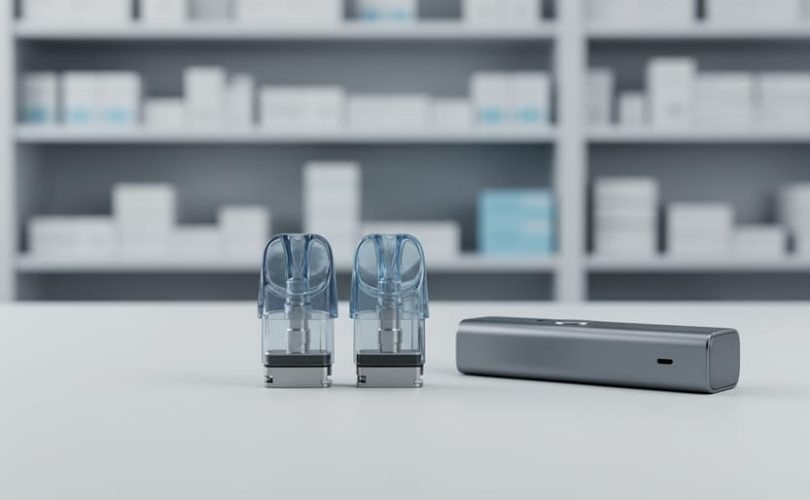
As of 2026, only 48 e-cigarette products have received FDA authorization to be legally sold in the United States. That’s it. Despite thousands of vaping products lining store shelves and flooding online marketplaces, fewer than four dozen have actually passed through the rigorous premarket tobacco product application (PMTA) process required by federal law.
If you’re wondering why the gap between what’s available and what’s authorized is so massive, you’re not alone. This disconnect confuses newcomers and frustrates experienced vapers alike, especially since many popular brands you see every day haven’t received that crucial FDA stamp of approval. The reality is that most products currently on the market are operating in a regulatory gray zone, either still awaiting review or technically unauthorized for sale.
Understanding which products are FDA-approved matters for your safety, your legal protection as a consumer, and your ability to make informed purchasing decisions. The authorized products include specific Glas e-liquid pods (Classic Menthol, Fresh Menthol, Gold, and Sapphire, each containing 5% nicotine), along with select tobacco and menthol products from other manufacturers. These Glas pods represent the FDA’s first authorization of non-tobacco and non-menthol flavored vaping products, marking a significant shift in the regulatory landscape.
Whether you’re just starting your vaping journey or you’ve been part of the community for years, knowing how to verify authorization status and what it means for product quality helps you navigate the market with confidence. Our community is here to help you understand the complexities of FDA regulation and find products that meet both your needs and legal standards.
Understanding FDA Authorization for Vaping Products
If you’re new to vaping or even a seasoned enthusiast, you’ve probably heard terms like “FDA approved” and “FDA authorized” thrown around. Here’s what they actually mean and why the distinction matters when you’re choosing products.
When a vaping product receives FDA authorization, it means the manufacturer went through a rigorous review process and demonstrated to the FDA that allowing the product on the market is appropriate for public health. This doesn’t mean the product is safe or that the FDA endorses it. Rather, it means the agency determined that the specific product, based on the evidence submitted, meets the legal standard for being sold.
That evidence comes through something called a PMTA, or premarket tobacco product application. Think of it as an extensive dossier that manufacturers must submit to the FDA before they can legally sell a new tobacco product, including e-cigarettes. The application requires detailed information about the product’s ingredients, how it’s manufactured, health risks, appeal to different age groups, and whether it could help adult smokers switch away from combustible cigarettes.
The bar is high. Companies must provide scientific studies, toxicology data, and evidence that their product offers enough benefit to adult smokers to outweigh the risk of youth uptake. The FDA reviews all this information and decides whether to issue a marketing authorization. Most applications don’t make it through. That’s why only 48 e-cigarettes currently hold authorization, even though hundreds of products exist on store shelves.
For you as a vaper, this matters because authorized products have undergone scrutiny. They’re not necessarily better performing or more satisfying, but they’re the only ones that should legally be on the market. Understanding this helps you make informed choices about what you’re using and what to look for when shopping.
The Current List of FDA-Authorized Vaping Products
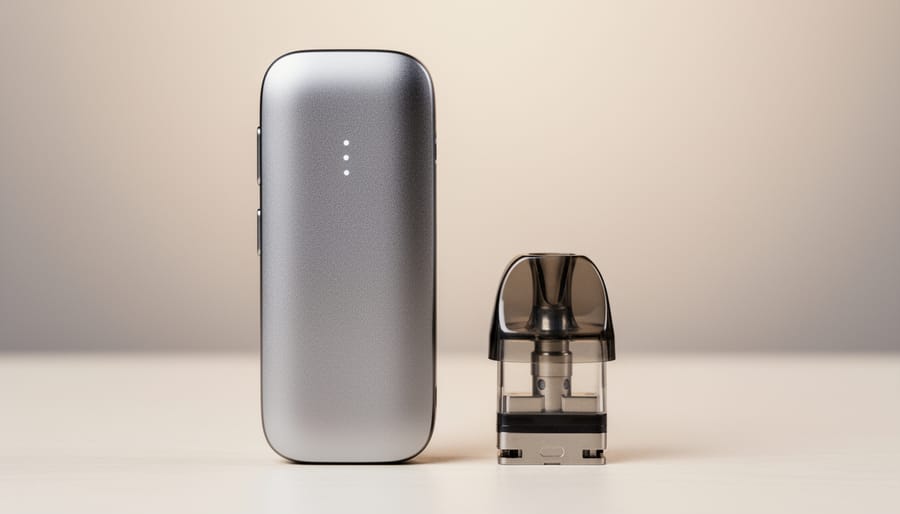
Glas ENDS Products
The four authorized Glas products represent a significant milestone in FDA authorization history. Each comes as an e-liquid pod containing 50mg/ml (or 5%) of tobacco-derived nicotine, and they’re the first non-tobacco and non-menthol ENDS products the FDA has authorized for sale.
Here’s what you need to know about each variant:
Classic Menthol delivers a traditional cooling menthol experience that many transitioning smokers find familiar. Fresh Menthol offers a similar menthol profile with its own distinct character. These two options provide authorized choices for vapers who prefer menthol flavors.
The real breakthrough comes with Gold and Sapphire. These products break new ground as the first authorized flavors outside the tobacco and menthol categories. While the FDA hasn’t specified exact flavor descriptions for these variants, their authorization signals that non-menthol, non-tobacco flavored products can meet the agency’s public health standards when properly supported by evidence.
Why does this matter to you? For years, the vaping community has awaited FDA decisions on flavored products. Many vapers prefer flavors beyond tobacco and menthol, and the Glas authorization demonstrates that such products can receive FDA authorization when manufacturers provide sufficient evidence that their marketing will benefit public health.
If you’re considering these products, remember they’re part of that exclusive group of 48 authorized e-cigarettes. The 5% nicotine strength puts them in the higher range, which can be appropriate for adults transitioning from cigarettes but may be stronger than some vapers need.
The Glas authorization also shows that smaller brands can successfully navigate the PMTA pathway, though the process remains complex and demanding.
Other Authorized E-Cigarette Brands
While the four Glas products represent a significant milestone, they’re just a fraction of the 48 FDA-authorized e-cigarettes currently on the market. The authorized list spans multiple brands and product types, though the FDA hasn’t widely publicized detailed breakdowns of every single product by name in consumer-friendly formats.
The authorized products include various device styles and nicotine formulations, all meeting FDA’s strict standards for public health protection. Some are closed-system pod devices similar to Glas, while others fall into different categories that passed the rigorous premarket tobacco product application process.
Here’s the practical reality: most vapers can’t recite all 48 products from memory, and you shouldn’t need to. The FDA maintains the official list of authorized e-cigarettes on its website, which gets updated as new products receive authorization or existing ones are removed. When you’re shopping for vaping products, checking this list is your most reliable verification method.
To verify whether your preferred product made the cut, visit the FDA’s tobacco products section and search their authorized products database. You can search by brand name, manufacturer, or product type. If your go-to device or e-liquid isn’t on that list, it’s not authorized for legal sale in the United States, regardless of where you see it stocked or what marketing claims it makes.
We recommend bookmarking the FDA’s authorized products page and checking it periodically, especially before trying a new brand or restocking your supplies.
What About Other Nicotine Products?
While our focus is on vaping products, it’s worth understanding that the FDA regulates other nicotine products too. On June 30, 2026, the FDA issued modified risk granted orders for 20 ZYN nicotine pouch products by Swedish Match USA. These pouches are quite different from e-cigarettes, they’re small tobacco-free packets placed between the lip and gum, containing nicotine but producing no vapor or smoke.
Why mention this in a vaping article? Because it shows how the FDA is taking a comprehensive approach to all nicotine products, whether you inhale them or not. Some vapers are curious about these pouches as an alternative, while others exploring smoking cessation vapes want to understand the full landscape of reduced-risk products.
The key difference is in the authorization type. The ZYN products received modified risk orders, meaning the FDA determined they could be marketed with specific claims about reduced risk compared to cigarettes. E-cigarettes, on the other hand, receive marketing authorization through the PMTA pathway but aren’t automatically granted modified risk claims.
Understanding these distinctions helps you make informed choices and recognize that the regulatory picture extends beyond just vaping. If you’re considering any nicotonian products, knowing what’s authorized and how gives you a clearer picture of the options available.
Navigating the Wide Range of Vaping Products Available

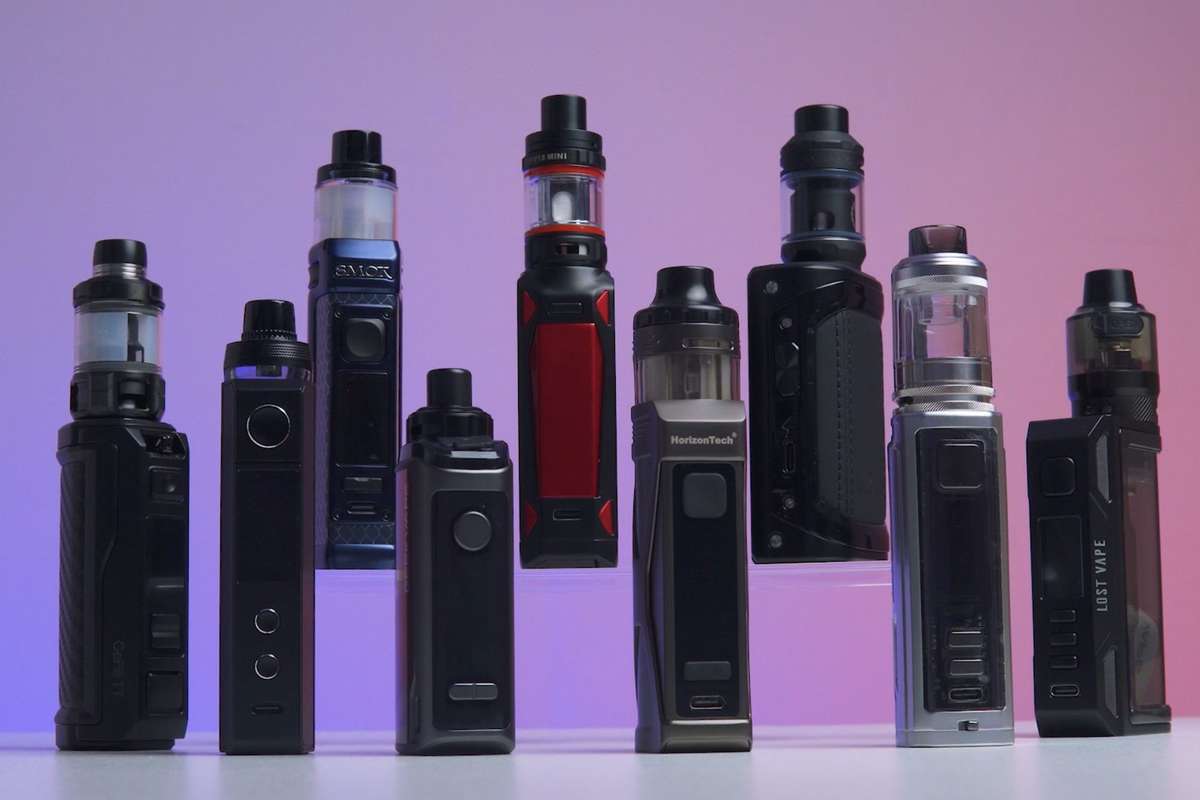
Walk into any vape shop or browse online stores and you’ll encounter hundreds of products: disposables in every flavor imaginable, refillable pod systems, advanced mods, and countless e-liquid options. Yet only 48 of these products have FDA authorization to be legally sold. This gap between what’s available and what’s authorized creates real confusion for anyone trying to make responsible choices.
The reality is that many retailers continue stocking unauthorized products, and the enforcement process takes time. As a consumer, this means you can’t simply assume that because a product is on the shelf or listed on a website, it meets federal requirements. You need to take an active role in verifying what you’re buying.
Here’s what matters when evaluating the types of vaping products you’re considering:
- Check the FDA’s current authorized list before purchasing any e-cigarette product
- Understand whether you’re looking at closed pod systems, open systems, or disposables, as authorization varies by product type
- Look for products from manufacturers that have engaged with the PMTA process, even if authorization is still pending
- Ask retailers directly about the authorization status of products they carry
- Be skeptical of health claims or marketing that seems too good to be true
This doesn’t mean every unauthorized product is inherently dangerous, but it does mean those products haven’t undergone the FDA’s review process. The agency evaluates factors like ingredients, manufacturing processes, potential health risks, and whether the product benefits adult smokers more than it harms youth.
For newcomers especially, starting with an authorized product removes one layer of uncertainty from an already complex decision. You’ll know the product has been reviewed and that the manufacturer has demonstrated a commitment to regulatory compliance. For experienced vapers whose preferred products aren’t on the authorized list, staying informed about the status of those products and having backup options makes sense as the regulatory landscape continues evolving.
What Happens to Unauthorized Products?
Understanding what happens when products lack FDA authorization is key to making smart purchasing decisions and helping you avoid costly mistakes.
When a vaping product isn’t authorized, it legally shouldn’t be sold in the United States. The FDA has made clear that only the 48 authorized e-cigarettes may be lawfully marketed. However, the reality is more nuanced than a simple on-off switch.
The FDA typically uses a risk-based enforcement approach. This means they prioritize resources on products that pose the greatest public health concern, particularly flavored products marketed to youth or those making unauthorized health claims. Enforcement actions can include warning letters to manufacturers and retailers, fines, product seizures, and in serious cases, injunctions.
For products that have submitted applications but haven’t received authorization, there’s often a grace period while the FDA reviews their submissions. This backlog has created a gray area where some products remain available while awaiting final decisions. The agency works through applications systematically, but the process takes time given the volume of submissions they received.
What does this mean for you? First, unauthorized products haven’t undergone the same scrutiny as authorized ones. The FDA reviews extensive data on health risks, manufacturing processes, and marketing practices before granting authorization. Without this review, you’re taking on more uncertainty about what you’re using.
This doesn’t automatically mean every unauthorized product is dangerous, but it does mean less oversight and accountability. You won’t have the same assurance about ingredient quality, manufacturing standards, or accurate labeling. For both new vapers and experienced users, understanding a product’s authorization status helps you make informed choices about what you’re putting in your body.
Common Questions About FDA-Authorized Vaping Products
The authorization landscape raises practical questions for vapers at every experience level. Understanding FDA authorization basics helps you navigate these decisions confidently, whether you’re new to vaping or you’ve been part of the community for years.
How do I check if my vaping product is FDA authorized?
Visit the FDA’s official website and search their list of tobacco products that have received marketing authorization through the PMTA pathway. The agency maintains this list and updates it as new products receive authorization or as enforcement actions occur.
Does FDA authorization mean a product is safe?
Authorization means the FDA determined that marketing the product is appropriate for public health, considering the risks and benefits to the population as a whole. It doesn’t mean the product is risk-free, but it does mean the product met the agency’s standards for that authorization pathway.
Can I still buy unauthorized products?
Technically, only the 48 authorized e-cigarettes may be lawfully sold in the United States. However, enforcement priorities and timelines vary, which is why you’ll still see a wide range of products available in stores and online.
What should I do if my preferred product isn’t on the list?
You have options. Consider switching to an authorized alternative that meets your needs, or stay informed about the authorization status of products you’re currently using since the regulatory landscape continues to evolve.
The authorization process itself takes considerable time and resources. Manufacturers must submit extensive scientific evidence demonstrating how their product meets public health standards. This includes toxicology data, user behavior studies, marketing plans, and detailed product specifications. The FDA then reviews these applications, which can take months or even years depending on the completeness of the submission and the agency’s workload.
For those exploring different vape product types understanding authorization status becomes part of making informed choices. Some vapers prioritize using only authorized products, while others weigh multiple factors including product availability, personal preferences, and their own assessment of the regulatory timeline. There’s no single right answer for everyone.
Our team at Vaping Revolution stays current on FDA actions and can help you understand what authorization status means for your specific situation. We’re here to answer questions, clarify confusing regulatory details, and help you find products that align with your priorities.
Staying informed about FDA authorization isn’t just about compliance, it’s about making choices that work for you with the best available information. Yes, the landscape is complex. Only 48 products out of thousands on the market have received authorization, and that gap creates real confusion for anyone trying to do the right thing. But complexity doesn’t mean you’re on your own.
At Vaping Revolution, we’re here to help you navigate this evolving regulatory environment. Whether you’re trying to verify your current product’s status, looking for authorized alternatives, or simply want to understand what these changes mean for your vaping journey, our team offers personalized consultation tailored to your specific situation. We’re not just about selling products, we’re about building a community where informed choices are the norm and support is always available.
Being a responsible vaper in 2026 means staying curious and connected. Check the FDA’s current list periodically, ask questions when something doesn’t make sense, and lean on the community when you need guidance. The authorization landscape will continue to evolve, and we’ll be here keeping pace with those changes alongside you. Drop by, reach out, or join the conversation. Your questions matter, your choices matter, and you’ve got a whole community ready to help you make sense of it all.